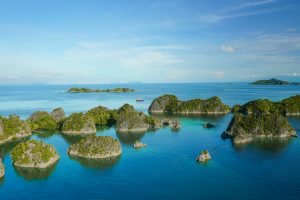
Our liveaboard along the Central Route of the Maldives. This was our experience on a week-long liveaboard along the Central Route, covering the iconic dive sites of the area: from Manta Point to Fish Head, the Central Route is one of the most consistently rewarding diving routes in the country. Below, a day-by-day summary of what each stop delivered. And what if, instead of the Central Route, you took the one almost nobody does? We take you south on this Maldives liveaboard.
Day 1: Boarding day. The trip starts at the marina near Male, where we boarded the liveaboard, met the dive team and got the safety briefing. The boat moved out of port in the afternoon and we spent the rest of the day getting our equipment ready and watching the Maldives slowly transition from blue water to white sandbanks on the horizon.
Day 2: Manta Point. The first proper dive was at Manta Point, a cleaning station where manta rays are observed almost daily during the season. The mantas appeared within the first 10 minutes of the dive and stayed for most of the immersion, slowly circling above the coral block while small wrasses cleaned them. The combination of size and slow movement makes these encounters particularly memorable.

Day 3: Kudarah Thila and Maaya Thila. Kudarah Thila is a small pinnacle covered in soft and hard corals, with very high fish density: snappers, fusiliers, sweetlips, and the occasional reef shark passing through. The topography (caves, overhangs and swim-throughs) makes the dive visually rich beyond just the marine life. In the evening we did our first night dive at Maaya Thila, which is one of the most famous night dive sites in the Maldives. Reef sharks hunt actively along the pinnacle once the sun goes down, and the visibility of the action with dive lights is one of the things that makes this dive unique.

Day 4: Rasdhoo Madivaru and Hammerhead Point. Early morning dive at Rasdhoo Madivaru, one of the few sites in the Maldives known for hammerhead sightings at depth. It is a technically demanding dive (deep, with current) and is best suited to Advanced Open Water divers and above. Later in the day we dived Hammerhead Point, with excellent visibility and plenty of reef life along the wall. There is much more to Rasdhoo, which is why we have come back several times — one of the most memorable was staying at the Kuramathi resort and diving with the Kuramathi Dive Club.
Day 5: Fish Head and Fish Tank. Fish Head, also known as Shark Point, is a coral pinnacle inside a marine protected area. Reef sharks are constant here, and the walls are covered in soft coral. Visibility was excellent, which let us cover the full circumference of the pinnacle and observe the resident grouper population at the top. Fish Tank, the afternoon dive, was an easier site with great variety: lionfish, moray eels, and large schools of small reef fish.

Day 6: Bathala Maaga Kanthila and Bathala Thila. Bathala Maaga Kanthila is a channel dive with strong current that pulls you along the reef. The biodiversity here is very high: eagle rays, turtles, schools of fusiliers and large napoleon wrasses passing through. The final dive of the trip was at Bathala Thila, a quieter site that gave us a chance to close the week with a relaxed dive and a long safety stop watching the reef from above.
If you are considering a liveaboard in the Maldives, the Central Route is a strong choice. It covers a wide variety of dive sites in a single week, gives you reasonable chances at the iconic species (manta rays, hammerheads, reef sharks), and works particularly well as a first liveaboard in the country. If you are planning your trip, we show you how to combine islands and atolls in our Maldives 7-day itinerary.